


Fascias And Soffits
Add a review FollowOverview
-
Founded Date June 24, 2025
-
Sectors Health Care
-
Posted Jobs 0
-
Viewed 42

Company Description
9 Things Your Parents Teach You About Fascia And Soffit Installation
Understanding Fascia and Soffit Installation: An Essential Guide
Fascia and soffit are 2 critical components of any roof, serving both functional and visual purposes. Proper installation of these components can considerably boost a home’s curb appeal while safeguarding the structure from moisture seepage and pest problems. In this comprehensive guide, we will talk about the value of fascia and soffit, the installation process, and address regularly asked questions to arm you with the understanding required for an effective task.
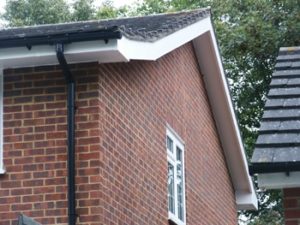
What Are Fascia and Soffit?
Fascia
Fascia is the vertical band that runs along the edge of the roofing. This element functions as a barrier, protecting the rafters from weather condition aspects. Generally, it is made from wood or artificial products, and it frequently serves as a mount point for rain gutters, providing extra support.
Soffit
Soffit is situated beneath the eaves of the roofing and links the fascia to the wall of your house. Its primary purpose is ventilation, enabling air to distribute through the attic while avoiding animals and bugs from going into.
Table 1: Key Differences Between Fascia and Soffit
| Feature | Fascia | Soffit Installation |
|---|---|---|
| Area | Edge of the roofing system | Under the eaves |
| Function | Defense, visual, gutter assistance | Ventilation |
| Materials | Wood, vinyl, aluminum | Vinyl, wood, fiber-cement |
| Visual Role | Defines Roofline Services | Matches outside |
The Importance of Proper Installation
Improperly set up fascia and Soffit Installation can cause several concerns, consisting of:
- Water Damage: Inadequate barriers can permit water to permeate into the underlying structures.
- Insect Infestations: Openings can provide entry points for bugs and rodents.
- Poor Insulation: Lack of proper ventilation can cause insufficient temperature level guideline in the attic.
Installation Process
Getting ready for Installation
Before starting the installation procedure, gather the following materials:
- Fascia boards
- Soffit panels
- Fasteners (screws, nails)
- Sealant
- Security devices (gloves, goggles)
Step-by-Step Installation
1. Eliminate Existing Fascia and Soffit And Fascia Replacement (if relevant)
- Safety First: Use a sturdy ladder and wear security equipment.
- Carefully eliminate old fascia and soffit utilizing a pry bar and a hammer, making sure not to damage any underlying structures.
2. Measure and Cut New Materials
- Precise measurements are important. Utilize a measuring tape to determine the lengths required for both fascia and soffit.
- Cut the fascia boards and soffit panels according to your measurements, ensuring they fit comfortably.
3. Install the Fascia
- Start by securing the fascia boards straight to the ends of the rafters utilizing screws or nails. Ensure they are level and flush with the roofline.
- Utilize a sealant to fill in gaps where essential to avoid wetness ingress.
4. Set up the Soffit
- Begin at one end of the eaves, attaching the soffit panels in between the fascia and the wall of your home.
- Guarantee you leave space for ventilation if the soffit consists of vented panels. These vents are important in maintaining airflow.
5. Finishing Touches
- Check the installation thoroughly for spaces, sharp edges, or unfinished locations. Seal any joints as required.
- Paint or end up the fascia and soffit to make sure sturdiness and visual appeal.
Table 2: Essential Tools for Fascia and Soffit Installation
| Tool | Function |
|---|---|
| Determining Tape | Accurate measurements |
| Power Drill | Securing fasteners |
| Saw | Cutting materials |
| Lever | Removing existing fascia/soffit |
| Level | Guaranteeing boards are straight |
| Security Gear | Safeguarding the installer |
Typical Materials Used in Fascia and Soffit
Different materials can be utilized depending upon aesthetics, budget plan, and maintenance preferences. Here’s a list of some frequently used products:
Fascia Materials
- Wood: Traditional however requires regular painting and maintenance.
- Vinyl: Low maintenance and resistant to decaying.
- Aluminum: Durable and resistant to rust however can damage quickly.
- Composite: Offers a wood-like look with enhanced longevity.
Soffit Materials
- Vinyl: Lightweight, low-maintenance, and readily available in numerous colors.
- Wood: Classic look but prone to rot without appropriate treatment.
- Fiber-Cement: Superior durability and resistance to termites and rot.
Frequently asked question Section
Q1: How frequently should I inspect my fascia and soffit?
A: It is suggested to examine fascia and soffit at least as soon as a year, ideally in the spring or fall. Try to find indications of damage, rot, or bug invasion.
Q2: Can I set up fascia and soffit myself?
A: Yes, if you have fundamental woodworking abilities and security understanding, you can perform the installation. However, seeking professional help is advised for large projects.
Q3: What are the indications that fascia or soffit requirement replacement?
A: Signs consist of visible rot, peeling paint, sagging seamless gutters, insects in the attic, or excessive wetness inside the attic.
Q4: What is the average cost for fascia and soffit installation?
A: Costs can vary commonly based upon products and the scope of the project, however homeowners can anticipate to pay anywhere from ₤ 500 to ₤ 2,500 for materials and labor integrated.
Q5: Do I need authorizations for setting up fascia and soffit?
A: Permitting requirements vary by area. It’s important to talk to a regional building department before beginning any installation.
Fascia and soffit play vital roles in the aesthetic appeals and functionality of a home’s roofing system. Correct installation can safeguard the structure from moisture damage, boost energy effectiveness, and improve curb appeal. By comprehending the installation procedure and the materials offered, property owners can ensure their fascia and soffit remain in outstanding condition for many years to come. If ever in doubt, consulting a professional is constantly a wise option to guarantee the longevity and safety of your home.
