


Fascia And Cladding
Add a review FollowOverview
-
Founded Date May 2, 1981
-
Sectors Education Training
-
Posted Jobs 0
-
Viewed 35

Company Description
Five Killer Quora Answers To Best Fascia Replacement
The Ultimate Guide to Fascia Replacement: Choosing the Best Option for Your Home
Fascia boards play a vital role in safeguarding your home from the elements and boosting its total aesthetic appeal. However, in time, they can struggle with wear and tear due to exposure to wetness, bugs, and severe weather. Replacing fascia boards is a crucial maintenance task that property owners need to resolve immediately. In this comprehensive guide, we will check out the very best fascia replacement alternatives available in the market, think about aspects to weigh when making a selection, and answer regularly asked questions on this topic.
Understanding Fascia
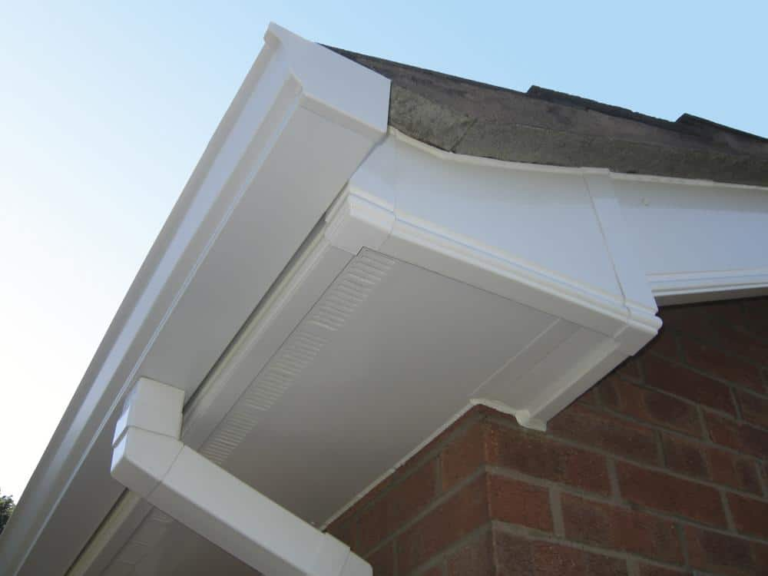
Before diving into replacement choices, it’s important to comprehend what fascia is and its function. The fascia board is a horizontal board that runs along the edge of the roofing, supporting the lower edge of the roofing system and supplying a surface for the Expert Soffit Installation of rain gutters. It serves numerous purposes:
- Aesthetic Appeal: Fascia adds a finished seek to the Roofline Services.
- Protection: It shields the rafters and underlying structures from water damage.
- Ventilation: Correctly set up fascia permits air circulation in the attic space.
Provided its value, when fascia shows signs of damage, it’s important to think about replacement products thoroughly.
Top Fascia Replacement Options
The marketplace provides different materials for fascia Replacement Soffit Boards, each with its distinct advantages and drawbacks. Below, we sum up the most popular options in a tabular format:
| Material | Resilience | Maintenance | Cost | Visual Flexibility |
|---|---|---|---|---|
| Wood | Moderate | High | Moderate | High |
| Vinyl | High | Low | Low | Moderate |
| Aluminum | High | Low | Moderate | Moderate |
| Fiber Cement | High | Low | Moderate | High |
| PVC | High | Low | Moderate | Moderate |
1. Wood Fascia
Toughness: Moderate
Maintenance: High– Requires regular painting/sealing to avoid rot.
Expense: Moderate
Aesthetic Flexibility: High– Beautiful natural appearance, can be painted.
Wood has long been a traditional option for fascia boards. It provides an appealing, timeless look but can be susceptible to rot and pest damage. Routine maintenance is important to maximize its lifespan.
2. Vinyl Fascia
Resilience: High
Maintenance: Low– Resistant to pests and rot.
Cost: Low
Visual Flexibility: Moderate– Limited color options, but keeps color well.
Vinyl fascia boards have actually gotten appeal due to their sturdiness and resistance to rot and insects. They need minimal maintenance and are readily available at a lower cost point. Nevertheless, color options may be more restricted compared to wood.
3. Aluminum Fascia
Toughness: High
Maintenance: Low– Does not rust or rot.
Expense: Moderate
Visual Flexibility: Moderate– Can be painted however limited in natural styles.
Aluminum is a durable, light-weight material that is resistant to the elements. It does not need frequent maintenance, and while it offers some visual value, it might do not have the warmth of wood.
4. Fiber Cement Fascia
Sturdiness: High
Maintenance: Low– Resistant to rot and fire.
Expense: Moderate
Aesthetic Flexibility: High– Can simulate wood and be painted.
Fiber cement is gaining traction due to its excellent resilience and fire resistance. It uses an aesthetic appeal similar to wood while needing far less maintenance.
5. PVC Fascia
Toughness: High
Maintenance: Low– No need for painting or sealing.
Expense: Moderate
Visual Flexibility: Moderate– Limited to offered styles and colors.
PVC fascia is another outstanding option due to its long life expectancy and low maintenance. It is waterproof and readily available in different colors, but its appearance may not meet the expectations of those seeking a more conventional look.
Aspects to Consider for Fascia Replacement
Selecting the best fascia replacement product is not entirely about standard characteristics. Homeowners ought to think about various elements to guarantee their picked material satisfies their needs:
1. Climate
Consider the environment. Areas susceptible to heavy rains or bugs might need more durable alternatives like aluminum or fiber cement.
2. Aesthetic Preference
Select a product that complements your home’s style. Wooden fascia offers a standard look, while fiber cement can simulate natural wood without its maintenance difficulties.
3. Budget plan
Various products featured varied cost points, affecting installation expenses. Examine your budget before making a selection.
4. Maintenance Requirements
Consider the level of maintenance you want to carry out. Vinyl and PVC are ideal for those seeking very little upkeep.
5. Longevity
Assess how long the product is most likely to last. Buying resilient products can conserve money in the long run.
Often Asked Questions
Q1: How do I understand if my fascia requires replacement?
A: Signs of wear and tear consist of noticeable rot, peeling paint, drooping, or loose gutters. If you observe water damage inside your home, it’s vital to assess the fascia.
Q2: Can I install fascia myself?
A: Yes, but it requires some woodworking skills and knowledge of appropriate installation to make sure a protected and weatherproof outcome.
Q3: How long does it take to replace fascia?
A: The duration of the replacement depends on the size of your home and the type of fascia being installed. Generally, it can vary from a few hours to a couple of days.
Q4: Is it needed to paint wood fascia?
A: Yes, painting wood fascia is vital for security versus moisture and bugs. Regular maintenance is vital for durability.
Q5: How do I pick a contractor for fascia replacement?
A: Seek suggestions, validate licenses and insurance, and inspect evaluations before picking a contractor. Likewise, acquire numerous quotes for comparison.
Choosing the very best fascia replacement is an essential choice that affects your home’s appearance and protection versus weather components. By checking out the offered materials and evaluating elements such as climate, expense, and maintenance, homeowners can make informed options. Additionally, comprehending when it’s necessary to change fascia boards can conserve costly repairs down the line. Whether going with conventional wood or modern PVC, the best choice will improve and protect your home for many years to come.
