


Eaves Replacement
Add a review FollowOverview
-
Founded Date September 28, 1995
-
Sectors Education Training
-
Posted Jobs 0
-
Viewed 11

Company Description
See What Fascia And Soffit Experts Tricks The Celebs Are Utilizing
Understanding Fascia and Soffit: The Experts’ Guide
In the realm of home improvement and building, Fascia Installation and soffit play crucial functions that are frequently overlooked. These parts not just improve the aesthetic appeals of a structure however also contribute significantly to its structural integrity and energy performance. This article aims to delve into what fascia and soffit are, their significance, typical products utilized, installation methods, maintenance tips, and where to discover expert services.
What Are Fascia and Soffit?
Fascia
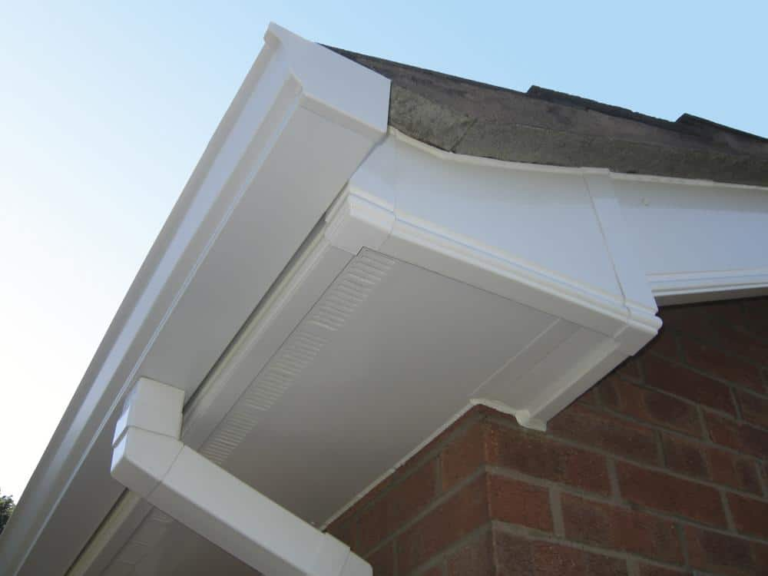
Fascia describes the horizontal board that runs along the edge of the Roofline Repairs. Performing as a barrier between the roofing and the components, fascia is an important part of a structure’s outside. It usually supports the lower edge of the roofing and serves as a platform for the roofing system tiles or shingles.
Soffit
Soffit, on the other hand, is the material that bridges the space in between the top of the outside walls and the bottom of the eaves. The purpose of the soffit is to supply ventilation and avoid moisture from accumulating in the attic, which can lead to rot or other structural issues.
Importance of Fascia and Soffit
The combined significance of fascia and soffit in home construction can not be overstated. Let’s have a look at some of the advantages they provide:
| Benefit | Description |
|---|---|
| Security | Both fascia and soffit safeguard the wooden structures of a home from weather damage. |
| Visual Appeal | They improve the general look of a building by creating a completed edge to the roofline. |
| Ventilation | Soffits enable ventilation, reducing wetness build-up in attics and avoiding mold development. |
| Bug Control | Appropriately installed fascia and soffit can deter pests from entering the attic space. |
| Energy Efficiency | Reliable ventilation can lead to lowered energy costs by stabilizing indoor temperature levels. |
Common Materials Used for Fascia and Soffit
Fascia Materials
- Wood: Traditional and aesthetic however requires regular maintenance to avoid rot.
- Vinyl: Durable, low maintenance, and readily available in numerous colors.
- Aluminum: Resistant to weather damage and does not require painting.
- Composite: Made up of wood and plastic, supplying sturdiness and visual range.
Soffit Materials
- Vinyl: Commonly utilized for its durability and simple installation.
- Aluminum: Low maintenance and resistant to rust and peeling.
- Wood: Offers a natural appearance but needs routine treatment versus wetness and insects.
- Fiber Cement: Durable and resistant to rot, however can be heavier than other products.
Installation Techniques
Setting up fascia and soffit requires precision and understanding of local structure codes. Below are some basic steps involved in the installation process:
Fascia Installation
- Measurement: Measure the length of the area where the fascia will be installed, taking care to account for angles and eave overhangs.
- Cutting: Cut the fascia board to size utilizing a miter saw for angled cuts.
- Securing: Nail or screw the fascia to the ends of the roofing system trusses or rafters, ensuring it sits level.
- Sealing: Seal the edges with caulk to avoid moisture seepage.
Soffit Installation
- Preparation: Clear the location and procedure for the soffit length.
- Cutting Panels: Cut soffit panels to fit the area, leaving required allowances for ventilation.
- Setting up: Attach the soffit panels between the Fascia Board Replacement and wall using screws or clips.
- Vent Installation: If using aerated soffits, place vented panels at suitable areas.
Maintenance Tips
To ensure durability and functionality, routine maintenance of fascia and soffit is vital. Here are some ideas:
- Inspections: Check for indications of water damage, mold, or rot at least once a year.
- Cleaning up: Use a tube to remove dirt, particles, and residues that can collect.
- Painting: If utilizing wood, consider repainting every 3-5 years to avoid peeling and wetness infiltration.
- Vent Checks: Ensure that soffit vents are not obstructed to maintain correct air flow.
Often Asked Questions (FAQ)
Q1: How frequently should fascia and soffit be examined?
A1: It is recommended to check fascia and soffit at least when a year, particularly before and after winter weather condition.
Q2: Can I install fascia and soffit myself?
A2: Yes, it is possible for competent DIYers to set up fascia and soffit, but working with specialists guarantees appropriate installation and compliance with local building regulations.
Q3: What are the indications that fascia or soffit needs replacement?
A3: Look for drooping, discoloration, peeling paint, or signs of water entry. These are indications that the materials may need replacement.
Q4: Are vinyl fascia and soffit worth the investment?
A4: Yes, vinyl options are typically low-maintenance and resistant to weather damage, making them a rewarding financial investment in the long term.
Q5: How can I increase ventilation in my soffit?
A5: Use vented soffit panels to improve airflow and consider adding extra vents if required.
Finding Experts
When searching for Fascia Board Repair And Soffit Experts (humanlove.stream), it’s essential to choose professionals with market experience. Here are a couple of tips for choice:
- Check credentials: Look for licensed and insured specialists.
- Read evaluations: Customer feedback can provide insights into the quality of work.
- Demand prices estimate: Get in-depth quotes from a number of professionals to compare pricing.
- Inquire about service warranty: Make sure there is a service warranty on both products and workmanship.
In conclusion, fascia and soffit are essential components of any robust architectural design and benefit attention throughout the construction, restoration, or maintenance stages. Understanding their functions, materials, installation procedures, and upkeep can cause better efficiency and aesthetic appeals in homes. For a professional method, always think about engaging with seasoned experts who can guarantee that these structures are properly set up and kept.
