


Fridges To Buy
Add a review FollowOverview
-
Founded Date August 2, 1908
-
Sectors Automotive Jobs
-
Posted Jobs 0
-
Viewed 14

Company Description
Is There A Place To Research UK Fridge Online
The Evolution of the UK Fridge: A Comprehensive Overview
In the contemporary kitchen area, the refrigerator stands as a cornerstone of food conservation and convenience. In the UK, fridges have transitioned over the years, evolving in design, performance, and energy efficiency. This post provides an in-depth appearance at the history, types, and functions of fridges in the UK, along with helpful contrasts and insights to help consumers make informed choices concerning their devices.
A Brief History of Refrigeration in the UK
The principle of refrigeration traces its roots back to the early 19th century. The very first mechanical refrigerator was established in 1834 by Jacob Perkins, but it would take several years before these makers ended up being commonplace in families.
Evolution of Refrigerators in the UK
| Year | Milestone |
|---|---|
| 1834 | Jacob Perkins invented the first mechanical Buy Refrigerator Online. |
| 1920s | Industrial refrigerators appeared. |
| 1940s | Fridge To Buy sales skyrocketed post-World War II. |
| 1960s | Introduction of the frost-free design. |
| 1990s | Rise of energy-efficient models. |
| 2020s | Smart fridges and IoT-enabled appliances. |
Kinds of Refrigerators
Comprehending the types of Fridges To Buy offered in the UK is important for property owners aiming to upgrade their kitchen area devices. The following are the most common kinds of refrigerators:
1. Top Freezer Refrigerator
- Description: Traditional fridge style with the freezer compartment located above the refrigerator.
- Pros: Generally more economical, basic design, and bigger fresh food compartment.
- Cons: May be less ergonomic due to the requirement to flex down for fresh food.
2. Bottom Freezer Refrigerator
- Description: The freezer compartment lies at the bottom, making the fresh food area more available.
- Pros: Easier access to regularly used products, energy-efficient style.
- Cons: Less freezer area might be a disadvantage for some houses.
3. Side-by-Side Refrigerator
- Description: Features 2 vertical compartments– one for the fridge and one for the freezer.
- Pros: Ample space for both fresh and frozen food, easy access to items.
- Cons: Can be less energy-efficient, narrower racks.
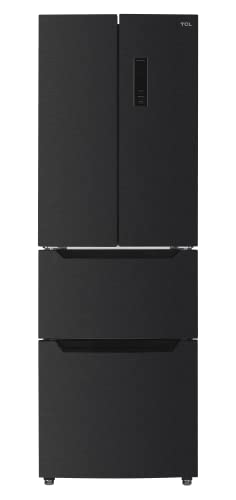
4. French Door Refrigerator
- Description: Combines the benefits of a side-by-side fridge with a bottom freezer.
- Pros: Offers large fresh food storage, stylish design, and double access.
- Cons: More expensive compared to conventional models.
5. Compact or Mini Fridge
- Description: Smaller fridges suitable for dormitory rooms, offices, or little living spaces.
- Pros: Space-saving, portable, and energy-efficient.
- Cons: Limited storage capacity, possibly greater energy costs per liter.
6. Smart Refrigerator
- Description: IoT-enabled fridges that link to the internet, providing sophisticated features like touchscreen screens, stock tracking, and remote temperature level control.
- Pros: Enhanced benefit, energy efficiency, and integration with clever home systems.
- Cons: Higher initial expense and needs a steady internet connection.
Energy Efficiency
With increasing energy expenses and growing ecological concerns, energy performance ends up being a vital element when acquiring a new fridge. The UK utilizes an energy label system that suggests how much energy appliances take in.
Energy Ratings Explained
| Rating | Energy Use | Description |
|---|---|---|
| A+++ | Most effective | Lowest energy usage, suitable for the eco-conscious customer. |
| A++ | Very efficient | Good energy-saving alternative without sacrificing efficiency. |
| A+ | Moderately efficient | A balance between energy usage and cost. |
| B | Requirements improvement | Greater operating costs, less effective compared to newer models. |
| C | Ineffective | Greater energy intake, typically an out-of-date model. |
Frequently asked questions
1. How often should I thaw my fridge?
The majority of frost-free models do not require manual defrosting. Nevertheless, if you own a manual-defrost fridge, you ought to thaw it when ice buildup surpasses a quarter of an inch.
2. What temperature should I set my fridge to?
The perfect temperature for a refrigerator is between 3 ° C and 5 ° C, while the freezer needs to be set to -18 ° C.
3. Can I put hot food straight into the fridge?
It is a good idea to let hot food cool off before putting it in the fridge to prevent raising the internal temperature level and risking food spoilage.
4. What is the life-span of a refrigerator?
Typically, a refrigerator can last anywhere from 10 to 20 years, depending upon the brand, design, and upkeep.
5. Are smart fridges worth the financial investment?
For tech-savvy customers or those who value convenience, wise fridges can be a worthwhile investment, particularly with features customized for modern way of lives.
The refrigerator has actually come a long method given that its creation, developing into a sophisticated device that plays a crucial function in daily life. Whether one go with a conventional model or a cutting-edge wise Fridge Online – yogicentral.Science -, comprehending the numerous options, functions, and energy effectiveness rankings is vital for making an informed buying decision. With the UK’s growing focus on sustainability, it ends up being much more crucial for consumers to consider energy effectiveness and durability when selecting their next fridge. As technology continues to advance and lifestyles modification, the advancement of the fridge will unquestionably do the same, providing even greater convenience and performance in future kitchens.
