


Kompressor Leise Werkstatt
Add a review FollowOverview
-
Founded Date October 21, 1919
-
Sectors Telecommunications
-
Posted Jobs 0
-
Viewed 35

Company Description
An Oil-Free Compressor Price Comparison Success Story You’ll Never Remember
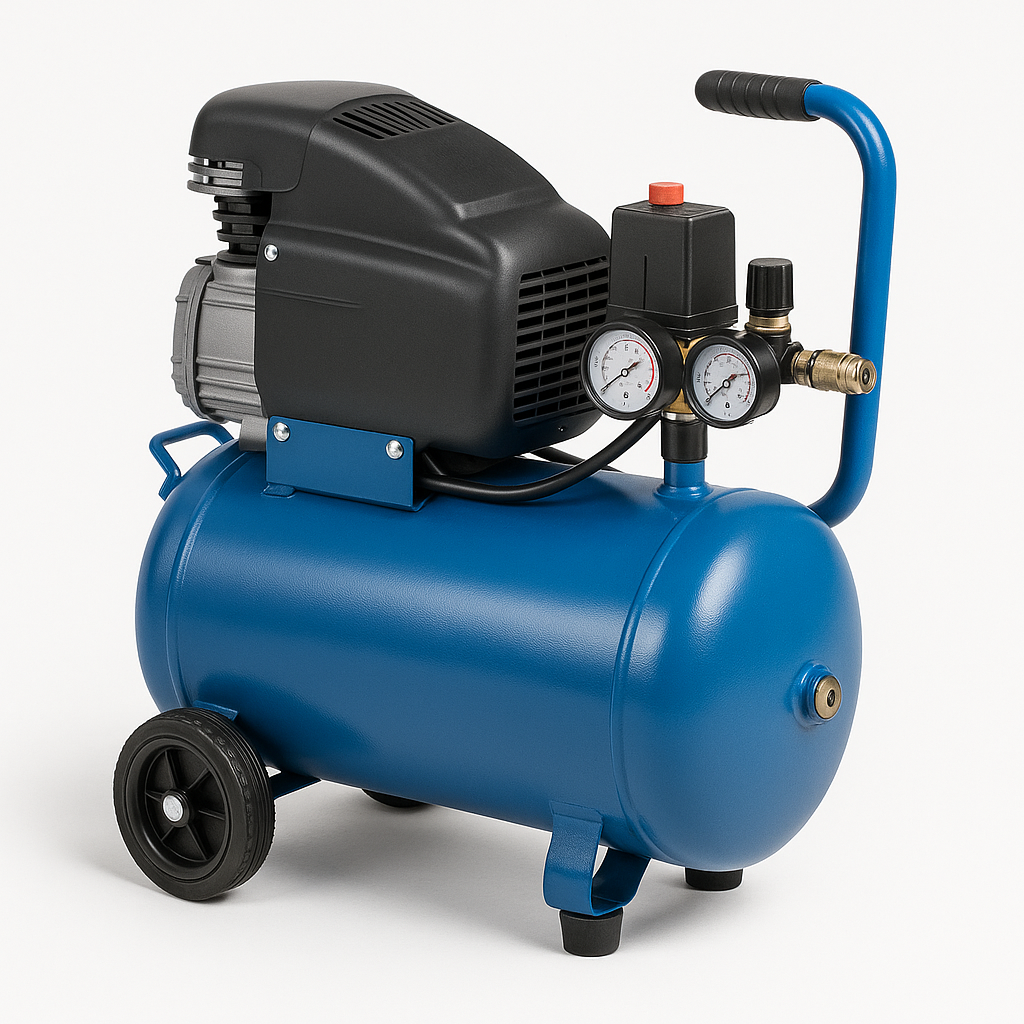
Oil-Free Compressor Price Comparison: What You Need to Know
Oil-free compressors have carved out a specific niche on their own in various markets, including food processing, leiser kompressor für die werkstatt 100l 10 Bar pharmaceuticals, and cleanroom applications, where oil contamination can result in considerable safety and quality concerns. As the need for these compressors continues to rise, so too does the need to understand the pricing landscape. This article uses a comprehensive price comparison across different brand names and designs while providing insights into what elements influence cost, in addition to responding to some commonly asked questions.
Understanding Oil-Free Compressors
Oil-free compressors run without the requirement for lubrication oil, utilizing alternative innovations such as piston or rotary systems. The advantages of oil-free compressors include:
- Clean Air Supply: Ideal for delicate applications where impurities might modify the item or process.
- Lower Maintenance: Reduced need for oil changes and associated upkeep tasks.
- Greater Efficiency: Typically runs cooler and can have lower energy expenses sometimes.
Regardless of these benefits, prospective buyers often find themselves coming to grips with varied price ranges. Listed below, we provide a comparison of numerous popular models available on the marketplace.
Price Comparison Table of Popular Oil-Free Compressors
| Brand name | Model | Power (HP) | Price (GBP) | CFM (Cubic Feet per Minute) | Max PSI | Guarantee |
|---|---|---|---|---|---|---|
| Ingersoll Rand | UP6 7.5 HP | 7.5 | ₤ 3,200 | 26 | 150 | 1 year |
| Sullair | S-energy 5-10 HP | 5 | ₤ 3,500 | 20 | 120 | 2 years |
| Atlas Copco | ZT 5-7.5 HP | 5-7.5 | ₤ 5,500 | 21 | 116 | 3 years |
| Rolair | VT25 Big Boy | 2.5 | ₤ 650 | 4.3 | 125 | 1 year |
| Campbell Hausfeld | DC200000 | 2.0 | ₤ 400 | 3.7 | 125 | 1 year |
| Brunner & & Lay B&L 30 | HP | 30 | ₤ 7,800 | 150 | 175 | 1 year |
Evaluating the Price Factors
When comparing oil-free compressors, numerous factors significantly influence prices:
-
Horsepower (HP): Generally, the higher the horsepower, the higher the price. More power enables increased air delivery (CFM) and efficiency.
-
CFM Rating: Higher CFM rankings, which suggest how much air the compressor can deliver, typically increase the price.
-
Max PSI: The optimal pressure the compressor can provide may likewise affect price, as more robust machinery normally sustains greater costs.
-
Brand Reputation: Established brand names with a long history of trustworthy service and client support can command higher costs.
-
Guarantee: A more extended guarantee typically validates a higher price, providing purchasers assurance about their investment.
-
Features: bandschleifer stationär angebot (iseodirectory.com) Optional features like variable speed drives, Akku Schlagschrauber Auf Rechnung Schlagschrauber Set Preis (oteldirectory.com) integrated controls, and noise reduction technology can likewise impact price.
Top Picks Based on Price and Performance
Thinking about the various models in the market, here are some of the leading choices based upon price and performance for different applications:
Best for Industrial Use: Atlas Copco ZT 5-7.5 HP— Priced at ₤ 5,500, this model offers a superior CFM of 21, making it a strong choice for industrial applications where air pureness is vital.
Best for Medium Operations: Sullair S-energy 5-10 HP— At ₤ 3,500, this model strikes a good balance in between performance and price while providing adequate power and CFM output.
Best Budget Option: Campbell Hausfeld DC200000— With a price point of ₤ 400, this compressor is perfect for little workshops and light usage without extensive requirements.
Maintenance and Efficiency
Among the buying factors to consider that prospective users should bear in mind is the compressor’s effectiveness and kompressor stehend 50l upkeep requirements.
- Oil-free compressors generally require less frequent maintenance when compared to their oil-lubricated counterparts, equating into decreased general ownership expenses.
- The energy effectiveness of a model can often offset its higher upfront expense over time, especially in high-use centers.
Frequently Asked Questions (FAQ)
- What are the key advantages of using an oil-free compressor?
Oil-free compressors supply clean air output, low maintenance requirements, and are perfect for delicate applications where oil contamination can cause substantial concerns.
- How often should I change my oil-free compressor?
The life expectancy of an oil-free compressor strongly depends upon usage, Leiser Kompressor Für Die Werkstatt 100l 10 Bar (socialbuzzmaster.com) but many units are rated for over 15 years with appropriate care and a maintenance schedule.
- Can oil-free compressors operate in very cold or warm temperature levels?
A lot of oil-free compressors can deal with a variety of temperatures, however it is essential to examine the particular operational limits provided by the maker.
- Exist specific applications where oil-free compressors are not suitable?
While they master clean environments, oil-free compressors might not be perfect for sturdy applications needing continuous, high-output performance. Seek advice from suppliers to assess your particular requirements.
- Is it worth buying a more costly design?
Higher-priced designs often feature enhanced features, warranties, and better service alternatives, making them a beneficial investment for businesses prioritizing dependability and operational efficiency.
Selecting the ideal oil-free compressor is a vital decision for any service that values tidy air supply. The price comparison outlined above can help prospective purchasers in making informed choices. By evaluating the elements influencing cost together with specific application needs, businesses can find the ideal compressor that meets both operational and monetary constraints. Constantly remember that the real expense of ownership consists of energy consumption and upkeep, so think about the long-lasting picture when making a financial investment.
