


Purchase Counterfeit Money Online
Add a review FollowOverview
-
Founded Date June 24, 1983
-
Sectors Sales & Marketing
-
Posted Jobs 0
-
Viewed 27

Company Description
What’s The Current Job Market For Counterfeit Money Store Professionals Like?
Understanding the Concept of a Counterfeit Money Store
In a progressively digital world, the value of currency is more appropriate than ever. However, together with the wide variety of monetary innovations and systems comes an underbelly of illicit activities– including the production and distribution of counterfeit money. This post dives into the troubling phenomenon of counterfeit money shops, their operations, the repercussions they bring, and methods to safeguard oneself from falling victim to this criminal offense.

What is a Counterfeit Money Store?
A counterfeit money store is a company, albeit illegal, that produces and offers phony currency– fake bills developed to resemble legitimate money. These operations range from small-scale counterfeiters working from home to bigger orderly criminal activity distributes that take part in sophisticated production using innovative printing technologies. The allure of counterfeit currency is frequently economically driven, with the guarantee of simple money drawing many into this criminal activity.
Table 1: Characteristics of Counterfeit Money Stores
| Characteristic | Description |
|---|---|
| Production Method | Advanced printing techniques; use of high-quality products. |
| Circulation Channels | Online platforms, street vendors, or covert markets. |
| Target Currency | Primarily United States dollars, however can consist of any currency worldwide. |
| Approaches of Sale | Direct sales, pre-made bundles, or custom-made orders. |
| Legal Status | Completely prohibited; thought about a felony in the majority of jurisdictions. |
How Counterfeit Money Works
Counterfeiters usually focus on reproducing specific denominations that are in high blood circulation, as these are most likely to be accepted in daily deals. Fake currency can not just hurt the economy however also damage the track record of businesses and people unsuspectingly caught in the crossfire.
The products utilized can in some cases be surprisingly advanced. Counterfeiters often invest in specific equipment, including:
- High-resolution printers
- Quality paper that imitates the feel and look of real currency
- Security functions such as watermarks and color-shifting ink imitations
Table 2: Common Types of Counterfeit Money
| Type | Description |
|---|---|
| Photocopied Bills | Easy copies; quickly distinguishable but can circulate in percentages. |
| High-Quality Counterfeits | Advanced replicas using expert printing strategies and products. |
| Online Sales | Digital currency or codes supposed to represent genuine money. |
The Impact of Counterfeit Money Stores
Counterfeit money stores not only represent a financial risk however also contribute to more comprehensive economic problems. The presence of fake currency can inflate rates, decrease the value of real money, and develop suspect in monetary organizations.
Negative Effects Include:
- Economic Loss: Businesses and customers can lose significant quantities of money if they unknowingly accept counterfeit bills.
- Increased Costs: Businesses may need to buy detection innovation to identify counterfeit, affecting general operating expense.
- Legal Consequences: Those involved in counterfeit operations face serious penalties, consisting of fines and imprisonment.
- Loss of Trust: Once a community ends up being mindful of counterfeiting, it can cause a decrease in customer self-confidence.
Table 3: Consequences of Counterfeit Currency
| Consequence | Description |
|---|---|
| Economic Impact | Loss of billions every year due to flow of counterfeit bills. |
| Legal Repercussions | Jail time, fines, and a rap sheet for offenders. |
| Trust Issues | Customer confidence declines; companies and banks suffer. |
Acknowledgment and Prevention Methods
With increasing circulation of counterfeit money, it’s important for consumers and organizations to know how to determine fake bills. The following techniques can help in detection:
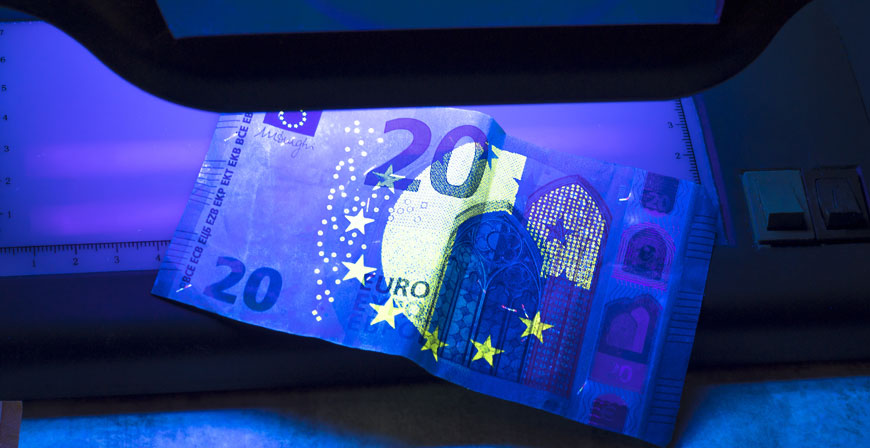
Tips for Recognizing Counterfeit Currency:
- Feel the Bill: Real money has a particular texture.
- Search for Watermarks: Genuine currency often has actually embedded watermarks.
- Check the Color Shift: Denominations frequently have color-shifting ink that alters color when slanted.
- Utilize a UV Light: Many legitimate bills have functions that can only be seen under ultraviolet light.
- Incorporate Detection Tools: Consider utilizing counterfeit detection pens or machines.
Table 4: Techniques for Spotting Counterfeit Currency
| Method | How to Implement |
|---|---|
| Texture Check | Run fingers across the surface area to feel the special texture of real currency. |
| Watermark Visibility | Hold the bill up to the light to check for ingrained watermarks. |
| Color Shift Examination | Tilt the expense for color-shifting homes. |
| UV Light Testing | Shine a UV light to expose hidden security features. |
Frequently Asked Questions (FAQ)
Q1: What should I do if I receive a counterfeit costs?
- A1: Report it to the local authorities instantly. Do not attempt to utilize it again.
Q2: Can I be punished for accepting a counterfeit costs unconsciously?
- A2: Typically, if you did not know it was counterfeit, you won’t deal with charges, but it’s constantly best to confirm bills you receive.
Q3: How do banks manage counterfeit currency?
- A3: Banks are needed to gather counterfeit bills and turn them over to pertinent authorities for examination.
Q4: What are the legal repercussions of producing counterfeit money?
- A4: Producing counterfeit money is a federal felony and can lead to significant prison sentences and fines.
Q5: Are there particular nations more impacted by counterfeit currency?
- A5: While it can take place worldwide, the U.S., Europe, and parts of Asia frequently see greater rates of counterfeiting due to the high worth of their currencies.
The presence of counterfeit money stores postures serious risks to the economy, companies, and customers. Being informed and alert can assist in recognizing bogus currency and preventing possible losses. While technology continues to develop in the world of digital transactions, the underlying concern of counterfeit currency remains a pushing challenge. Ultimately, improving awareness and adopting protective steps can protect people and businesses from becoming victims of this clandestine trade.
Key Takeaways:
- Counterfeit money stores present risks that extend far beyond monetary losses.
- Awareness is the first step in protecting oneself from counterfeit currency.
- Legislation and law enforcement play critical roles in combating counterfeiting.
Remaining notified not only empowers customers but also helps battle versus the expansion of counterfeit currency, securing both personal assets and the overall economy.
